



733 views
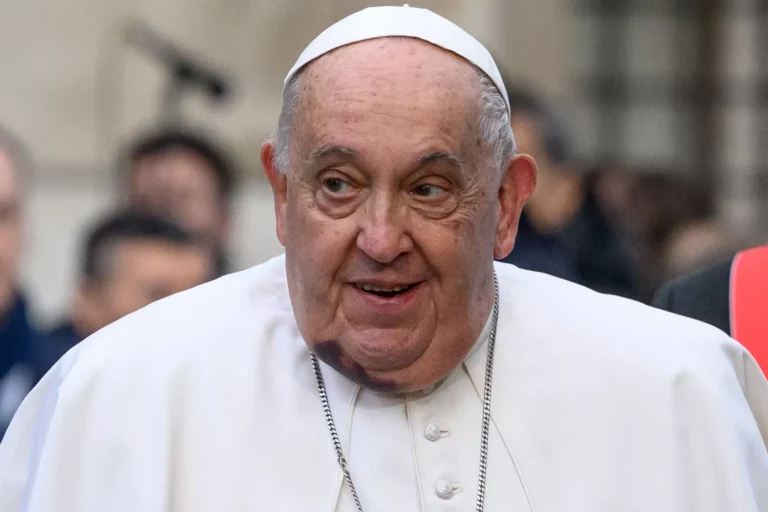
The First Latin American Pope Leaves a Legacy of Compassion, Reform, and Unyielding Faith
Vatican City — April 21, 2025 — Pope Francis, the first Jesuit and Latin American pontiff whose papacy redefined the modern Catholic Church, died peacefully at the age of 88 early Easter Monday morning at his residence in Casa Santa Marta. The Vatican confirmed his passing at 7:35 a.m. local time, just one day after Easter celebrations and a historic meeting with U.S. Vice President J.D. Vance. His death marks the end of a transformative 12-year pontificate and a deeply human spiritual legacy.
Born Jorge Mario Bergoglio on December 17, 1936, in Buenos Aires, Argentina, Francis became the 266th pope of the Roman Catholic Church in March 2013, succeeding Pope Benedict XVI. His election was itself historic — the first pope from the Americas, the first Jesuit to hold the papal office, and the first non-European pope in more than 1,200 years.
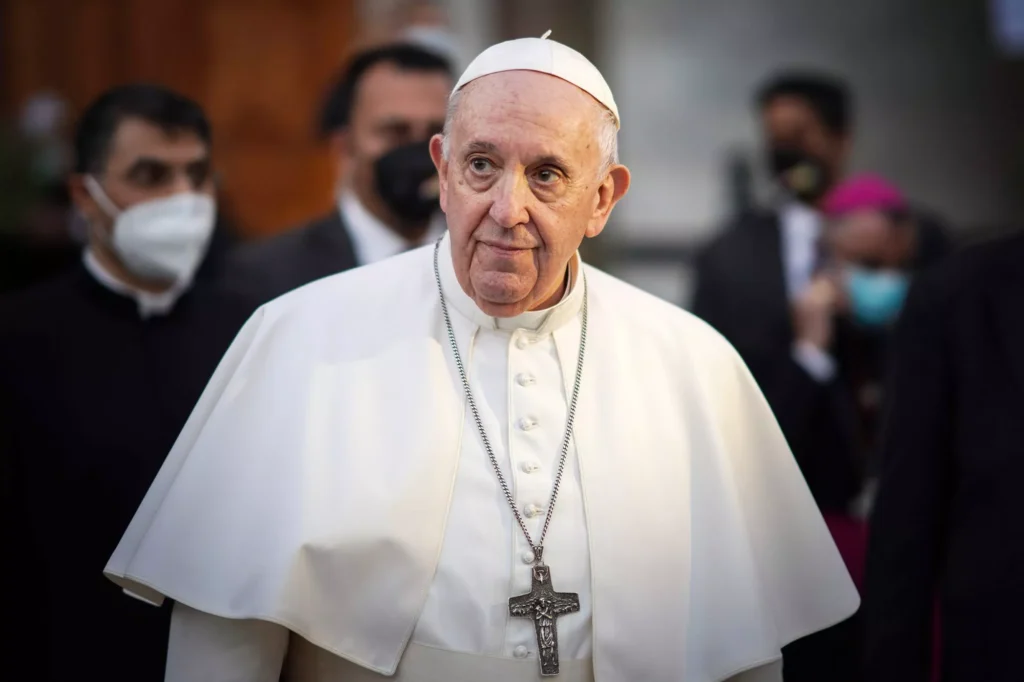
A Papacy of Compassion and Challenge
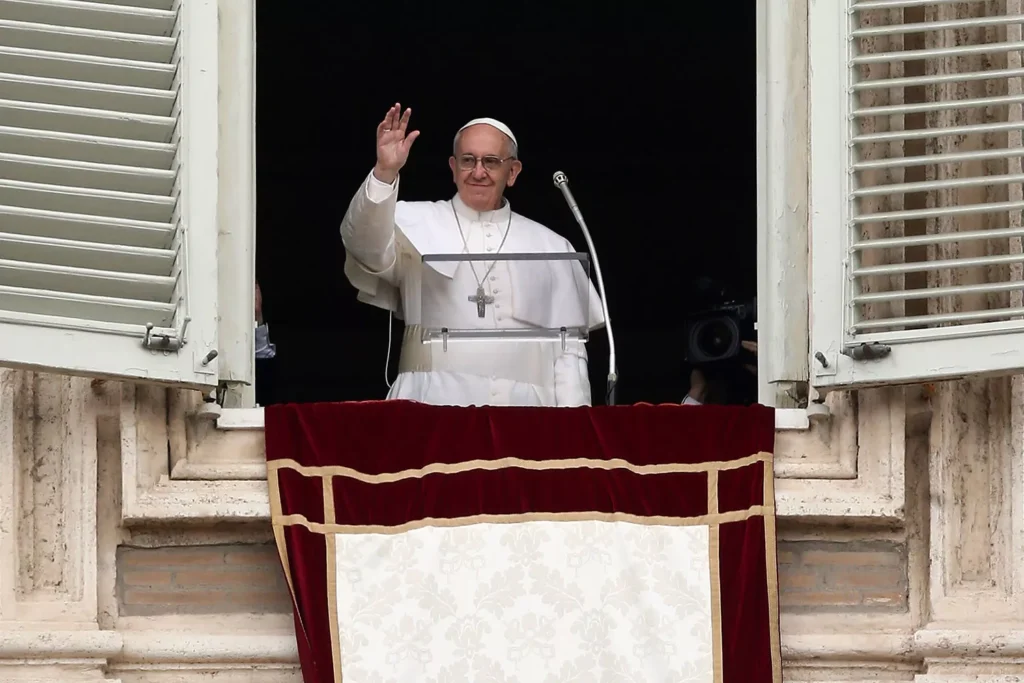
Pope Francis quickly became a symbol of humility and reform. From his first moments on the balcony of St. Peter’s Basilica, where he asked the people for their prayers before offering his own blessing, he set a new tone for the papacy. Refusing to reside in the opulent Apostolic Palace, he chose instead the Domus Sanctae Marthae guesthouse to “live in community with others,” emphasizing his message of simplicity.
His reign was defined by an unwavering dedication to the marginalized, consistent calls for peace, and efforts to modernize the Church’s stance on complex issues. “My people are poor and I am one of them,” he often said — a phrase that became the moral compass of his leadership.
Francis was known for his candid engagement with the world’s challenges — from climate change to social inequality, from interfaith dialogue to controversial issues like same-sex unions. In a 2020 documentary, he expressed support for civil unions for same-sex couples, declaring, “They are children of God and have a right to a family.”
A Life Shaped by Struggle and Spiritual Resilience
Before donning the white cassock, Jorge Mario Bergoglio’s life was rich with personal trials and spiritual transformation. He worked as a janitor and nightclub bouncer before training as a chemical technician. At 21, he faced a near-death experience from severe pneumonia, an ordeal that, he later wrote in Let Us Dream: The Path to a Better Future, profoundly shaped his perspective on life, suffering, and faith.
Ordained in 1969, he rose through the Jesuit ranks, eventually becoming Archbishop of Buenos Aires in 1998. In 2001, Pope John Paul II made him a cardinal — a moment marked by humility, as Bergoglio asked the faithful to give to the poor rather than travel to Rome to celebrate his elevation.
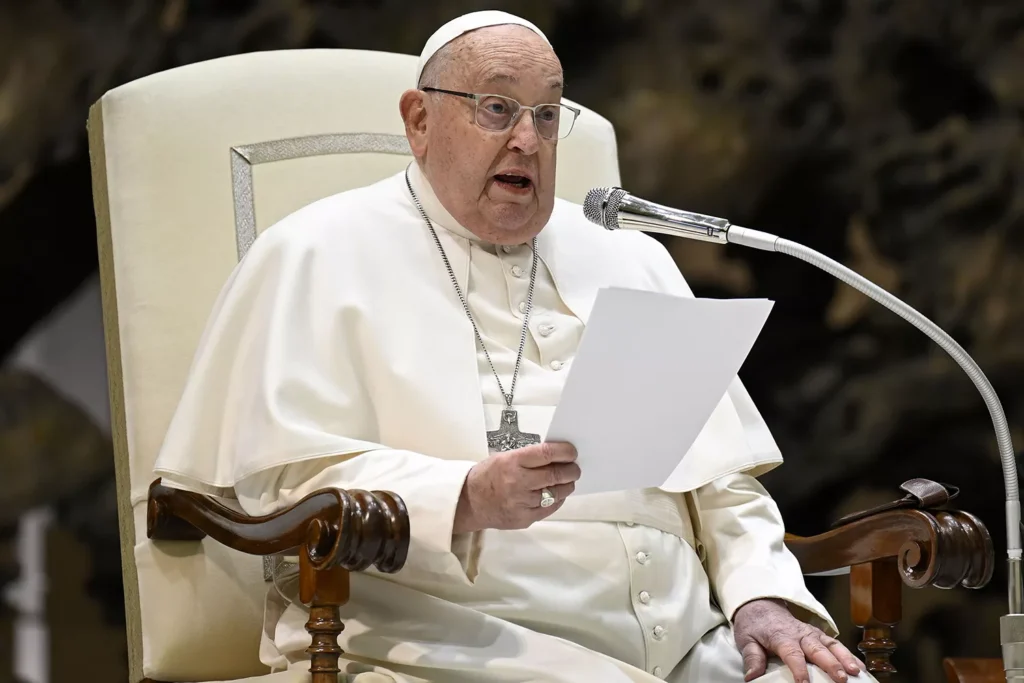
A Final Chapter of Quiet Strength
The final months of Pope Francis’ life were marked by resilience and reflection. He had long battled health issues, including a partial lung removal in his youth and colon surgery in 2021. In mid-February 2025, he was hospitalized at Rome’s Agostino Gemelli Polyclinic with bronchitis that progressed to double pneumonia, requiring a 38-day stay.
Despite fragile health, he remained spiritually engaged. On March 6, from his hospital bed, he recorded an audio message thanking the faithful for their prayers: “May God bless you, and may the Virgin protect you.”
On March 13, while still in recovery, he quietly marked the 12th anniversary of his papacy with a candle-lit cake. Days before his death, he received Vice President Vance and delivered his Easter address through Cardinal Angelo Comastri, who also celebrated Mass at Saint Peter’s Square on Sunday.
Controversy and Courage
Francis’ papacy was not without its critics. He faced backlash for perceived ambiguity in handling Church doctrine and was at times accused of using homophobic language — an allegation the Vatican later addressed with an apology and clarification. He also came under scrutiny for his handling of sexual abuse scandals, notably defending Bishop Juan Barros in Chile before eventually issuing a public apology and reaffirming his commitment to eradicating abuse within the Church.
Yet, even his critics recognized the transformative energy he brought to the papal office. Biographer Austen Ivereigh described him as a leader with a “phenomenal work ethic” and “gracious authority.” Francis, he noted, rose at 4 a.m. each day to pray, meditate, and prepare for a rigorous schedule of pastoral duties.
A Legacy That Transcends Borders
Pope Francis’ decision to wear his simple black trousers under the papal white cassock in the early days of his pontificate was more than symbolism — it was an embodiment of his down-to-earth spirit. “I’m not an ice cream seller,” he reportedly quipped when told to wear all white.
He was a global figure who brought a pastoral touch to the Vatican’s institutional corridors. In 2021, he became the first pope to visit Iraq, strengthening ties between Christians and Muslims and advocating for peace in a region scarred by conflict.
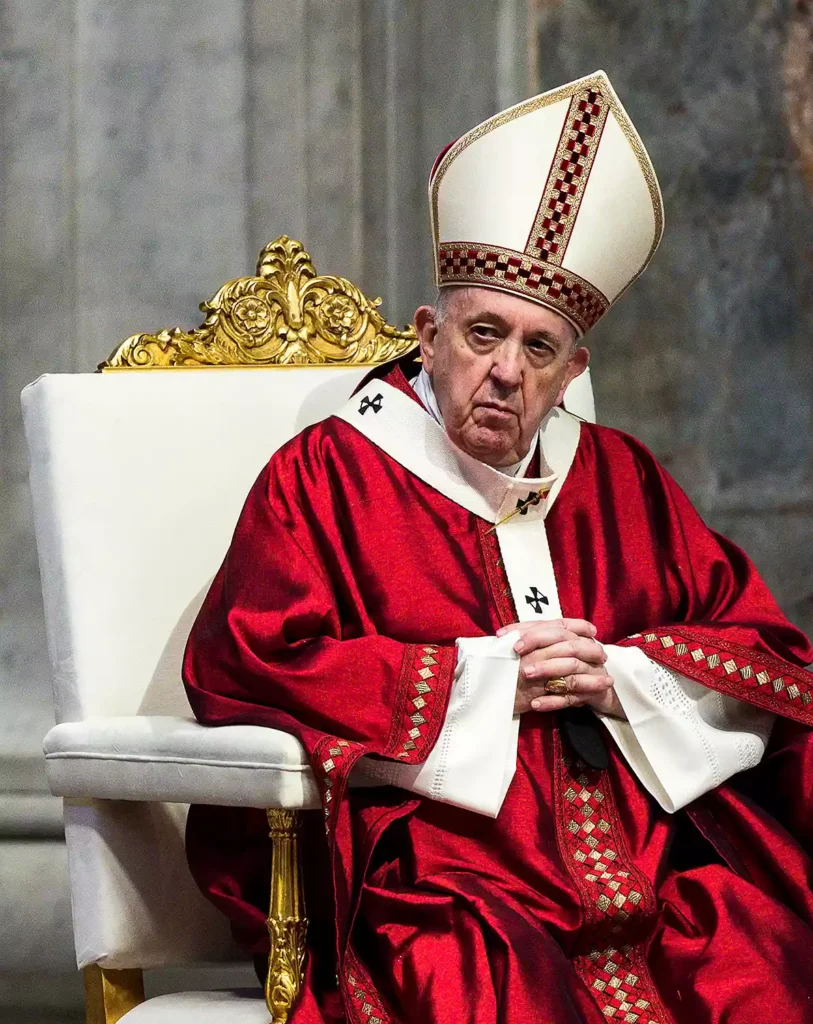
Cardinal Kevin Farrell summed up the sentiment shared across the Catholic world:
“He taught us to live the values of the Gospel with fidelity, courage and universal love, especially in favour of the poorest and most marginalised. With immense gratitude for his example as a true disciple of the Lord Jesus, we commend the soul of Pope Francis to the infinite merciful love of the One and Triune God.”
A World in Mourning
As millions around the globe begin to reflect on his legacy, Pope Francis will be remembered not just for the history he made, but for the humanity he embodied. He leaves behind a Church changed — perhaps not in doctrine as radically as in tone — and a world still resonating with his call for mercy, simplicity, and love.
A funeral Mass is expected to be held in St. Peter’s Square later this week, with world leaders and faithful pilgrims expected to pay their final respects to a pope who redefined the role for a modern age.
“Who am I to judge?” — the words Pope Francis spoke in 2013 that echoed around the world — will remain etched in history as the emblem of his enduring message: one of humility, inclusion, and unconditional grace.